How we help
What this pathway covers
We help process-industry clients identify, compare and select the right process technology and licensor for their feedstock, scale and market — before the decision locks in the rest of the project.
The process technology decision fixes most of a plant's economics for thirty years: feedstock flexibility, specific energy consumption, catalyst life, turndown, emissions and the shape of every downstream contract. It is also the decision most often made with the least comparison, because licensors present their own route and few owners have the time to line the alternatives up side by side.
MINCAT does that lining-up. We identify the routes and licensors that fit your feedstock, scale and site; obtain and normalise their technical and commercial proposals; and produce a comparison your management and lenders can act on. Where a licensor's technology is selected, we coordinate the licence, process design package and guarantee discussions on your side of the table. MINCAT does not own or license any process technology.
Portfolio
Technologies we routinely evaluate
Scope is defined per engagement. Where a technology or product is proprietary, it is licensed or supplied by its owner; MINCAT identifies, evaluates and coordinates.
- Ammonia
- Urea
- Nitric acid
- Sulphuric acid
- Phosphoric acid
- SOP (potassium sulphate)
- NPK compound fertilizers
- DAP / MAP
- SSP / TSP
- CAN and ammonium nitrate
- Hydrogen (SMR, ATR)
- Green hydrogen (electrolysis)
- Green ammonia
- Methanol
- Chlor-alkali and caustic soda
- Soda ash
- Carbon black
- Gas processing and sweetening
- Carbon capture
- Waste-heat recovery
- Emission control (SCR, DeNOx, N₂O abatement)
- Plant revamp and energy optimisation
Typical requirements
Situations in which clients engage us
If your requirement is not on this list, describe it anyway. The list is illustrative, not a menu.
- Greenfield technology selection for a new production line
- Licensor shortlisting and PDP/BEP proposal comparison
- Revamp or capacity-expansion route evaluation for an existing unit
- Energy-optimisation and emission-abatement options for a running plant
- Technology switch (for example grey to blue or green hydrogen, or ammonium nitrate to CAN)
- Owner-side review of a licensor's guarantee package before signature
Technical considerations
What usually decides the outcome
Feedstock and scale set the shortlist
Natural-gas, naphtha, coal or electrolytic hydrogen feed narrows the viable routes quickly; capacity determines which licensors have reference plants at your scale.
Guarantees must be comparable
Consumption figures, on-stream factors and catalyst-life guarantees are quoted on different bases. We normalise them to one battery-limit definition before comparing.
Integration decides the real energy number
Steam and hydrogen balance across units — ammonia-urea, sulphuric-phosphoric, methanol-hydrogen — often matters more than a single unit's specific consumption.
Licensor support does not end at the PDP
Training, start-up assistance, catalyst supply terms and revamp support are part of the technology decision and are negotiated at the same time.
Scope and responsibility
What MINCAT does — and what qualified partners deliver
MINCAT is asset-light. The distinction between our coordination role and partner-delivered scope is stated in every proposal and contract.
Coordination, evaluation and support
- Route and licensor identification against your feedstock, capacity and site data
- Structured request for information and proposal normalisation
- Technical-commercial comparison matrix and written recommendation
- Coordination of licensor clarifications, site visits and guarantee discussions
- Interface with the owner's engineer, EPC shortlist and financing due-diligence
Contracted directly with the qualified partner
- Process design packages, basic engineering and performance guarantees — the licensor
- Detailed engineering, procurement and construction — the EPC/EPCM contractor
- Independent process audits where required — specialist consultancies
Commercial and procurement considerations
How engagements are structured
- Licence fees, royalty structures and PDP scope vary widely between licensors; comparison must include what is excluded from each package.
- Catalyst first-fill and proprietary equipment are often tied to the licence — the whole-of-life cost matters more than the licence fee.
- MINCAT's fee is agreed in advance and is independent of which technology you select.
Industries
Where this pathway is most often applied
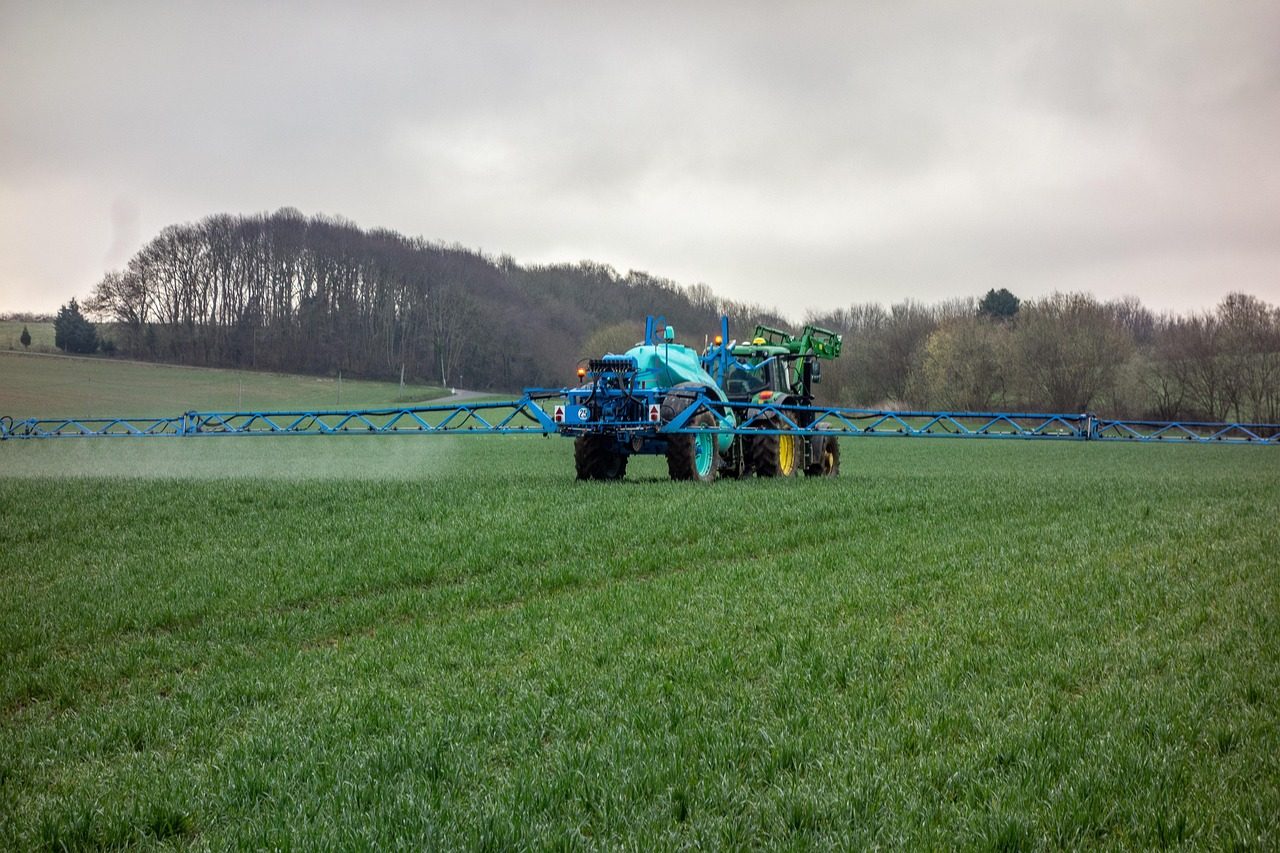
Fertilizers & Agrochemicals
Ammonia, urea, nitric acid, phosphates, SOP and NPK — technology, catalysts, equipment and raw-material supply for nitrogen and phosphate complexes.
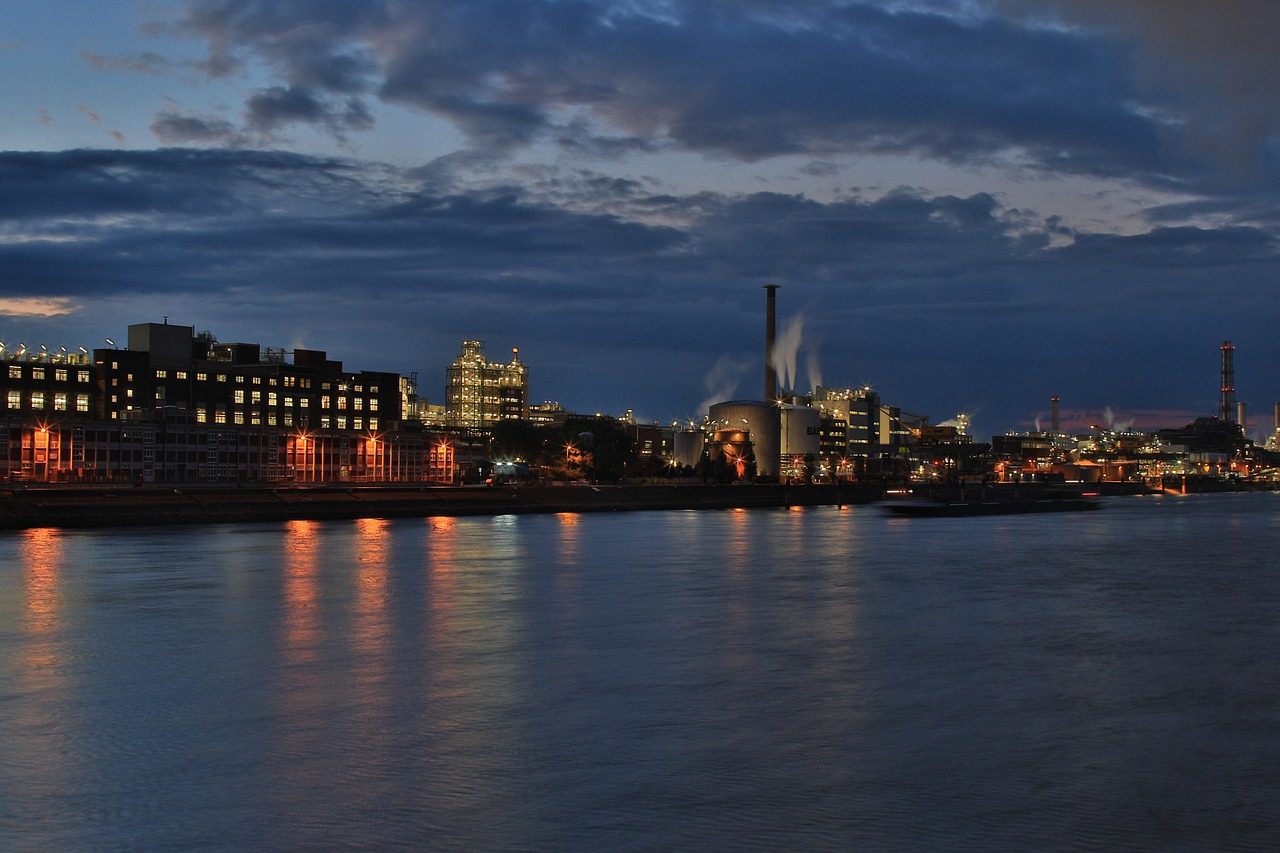
Chemicals & Specialty Chemicals
Chlor-alkali, soda ash, methanol, carbon black, specialty and fine chemicals — process routes, equipment in corrosive service and qualified materials.
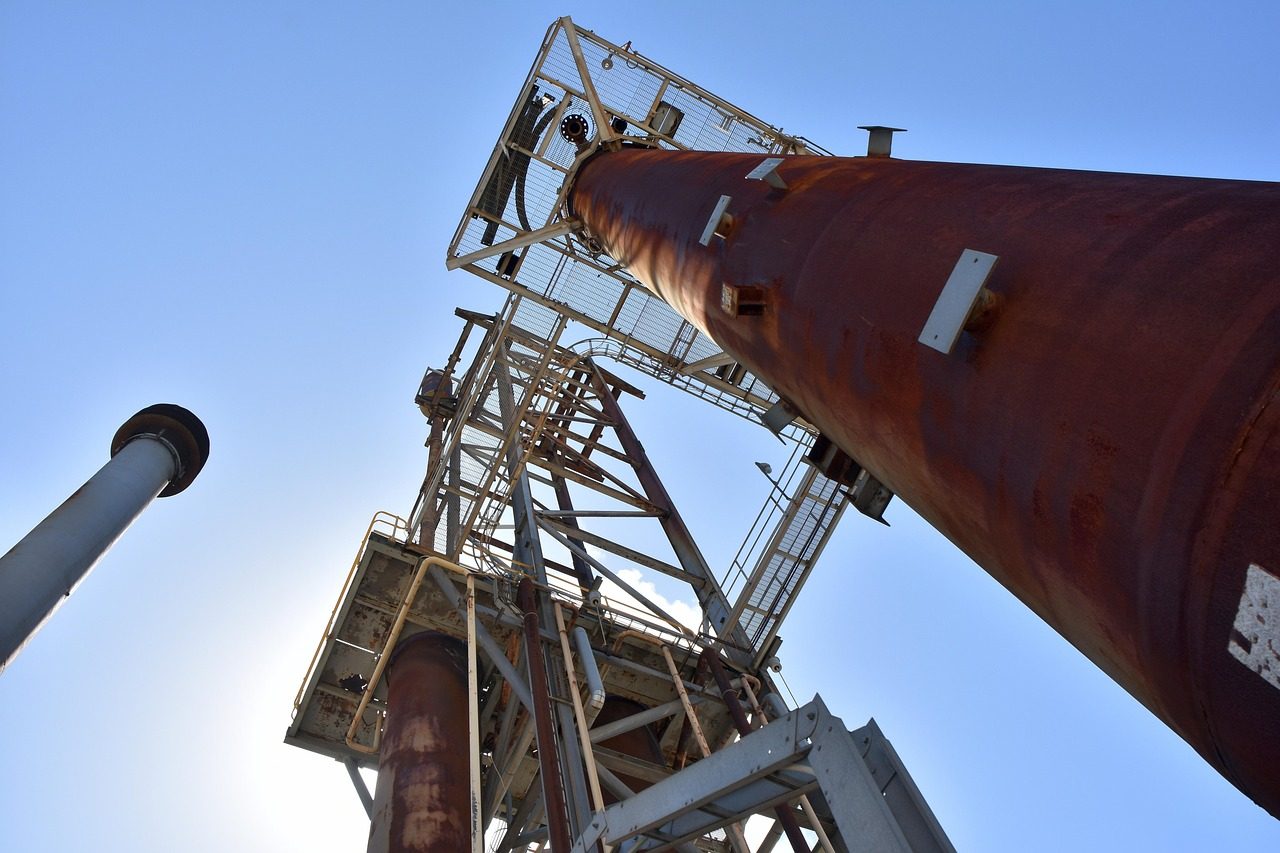
Petrochemicals & Refining
Hydroprocessing, gas processing, hydrogen, aromatics and downstream units — catalysts, equipment, revamps and turnaround support.

Hydrogen & Clean Energy
Green and blue hydrogen, green ammonia, electrolyser and carbon-capture technology — independent evaluation for developers and industrial off-takers.
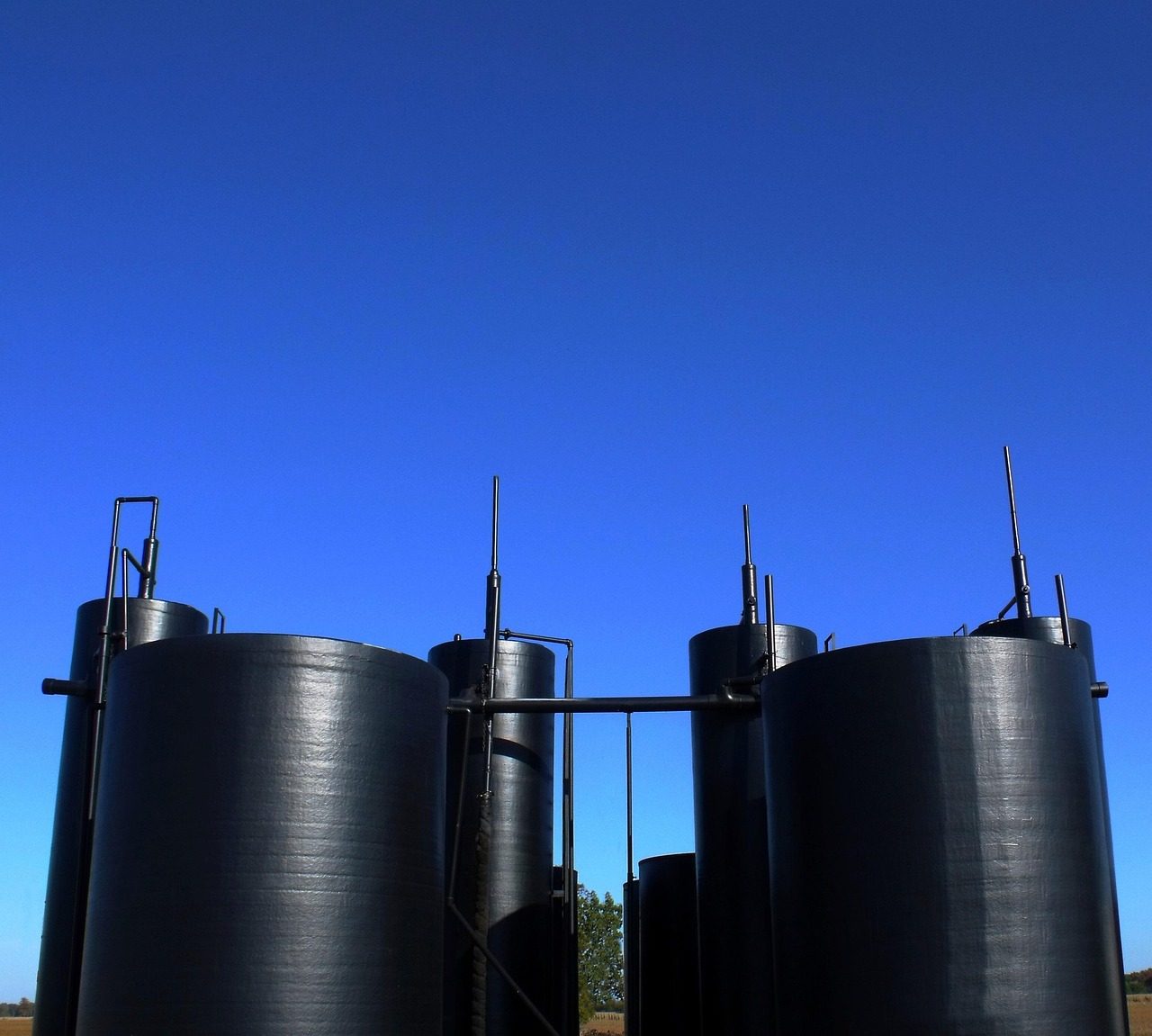
Industrial Gases
Hydrogen, nitrogen, oxygen and CO₂ generation, purification, compression and storage — technology, catalysts, adsorbents and equipment.
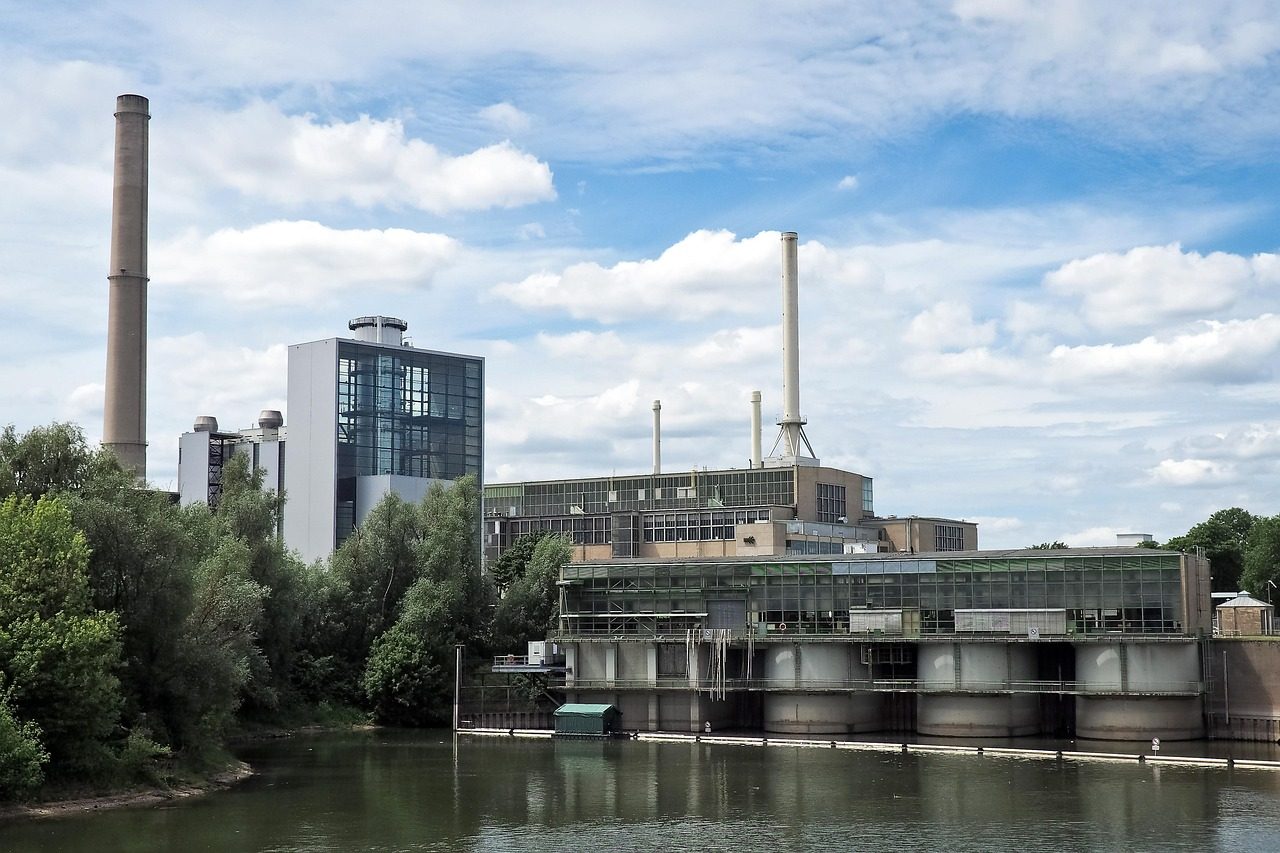
Environmental & Emission-Control Technologies
Emission control, N₂O and NOx abatement, VOC oxidation, carbon capture and waste-heat recovery — technology evaluation and equipment for compliance projects.
Frequently asked
Questions we hear about process technologies
Does MINCAT license or own any process technology?
Can you evaluate a single licensor's offer we have already received?
Which industries is this most relevant to?
Keep exploring
Other pathways that often run alongside
Describe your process technologies requirement
Tell us the technology, equipment, catalyst, material or project-development requirement you are working on. An engineer reviews every enquiry, in confidence, and replies with a clear next step within two working days.
Contact us