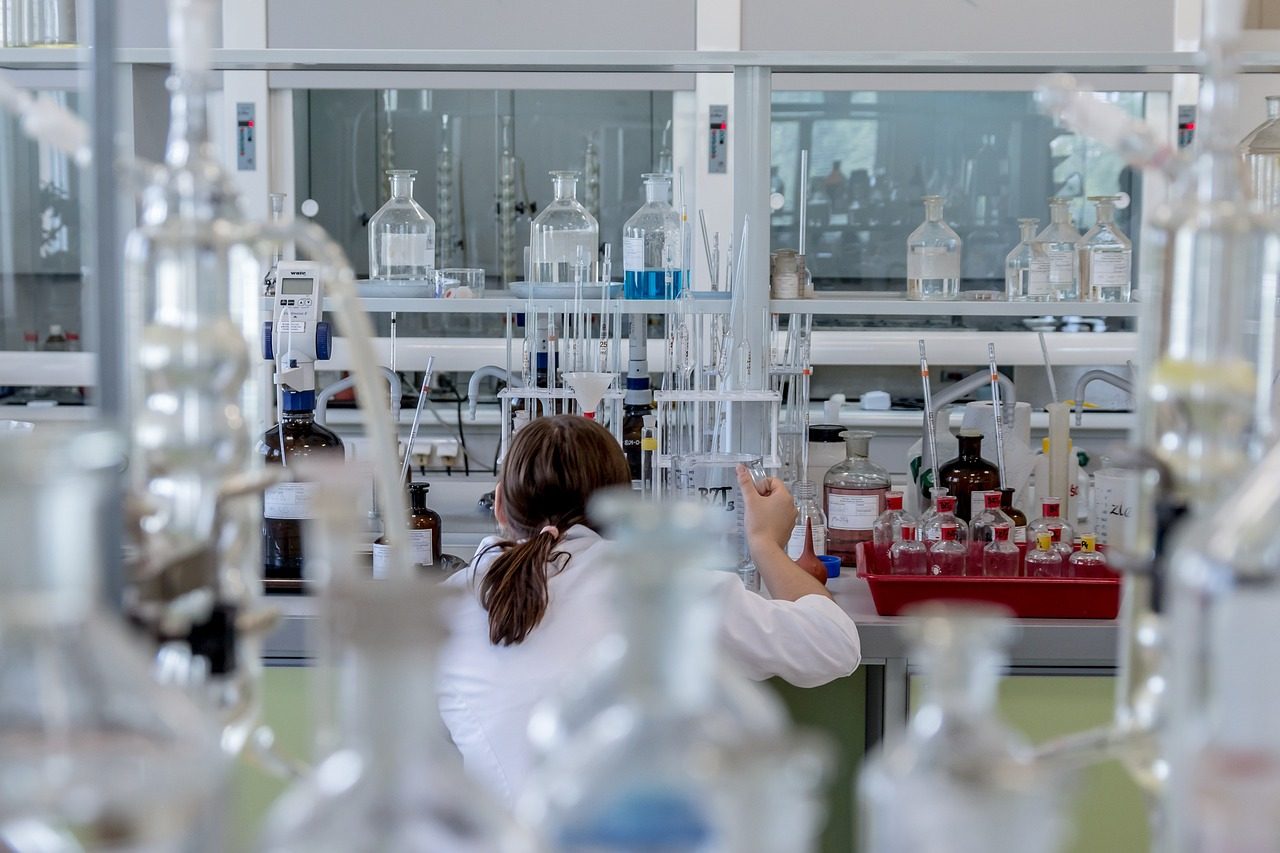
How we help
What this pathway covers
We help ammonia, hydrogen, nitric-acid, refining and environmental plants evaluate, qualify and source catalysts and adsorbents against their real operating data rather than a licensor's default.
A catalyst charge is a small line in a plant budget and a large line in its performance. Activity, selectivity, pressure drop and life determine energy consumption, on-stream time and the timing of every shutdown. Yet catalyst decisions are often inherited from the original licensor and never re-examined.
MINCAT helps plant owners evaluate and source catalysts and adsorbents on their merits. We compare producers' offers against your actual operating data — feed composition, space velocity, temperature profile, poisons, cycle length — coordinate performance guarantees and reference checks, and support loading, start-up and end-of-life logistics through the producer's technical service. MINCAT does not manufacture catalysts.
Portfolio
Catalyst and adsorbent families
Scope is defined per engagement. Where a technology or product is proprietary, it is licensed or supplied by its owner; MINCAT identifies, evaluates and coordinates.
- Primary and secondary reforming
- Pre-reforming
- High- and low-temperature shift
- Methanation
- Ammonia synthesis
- Nitric acid platinum-rhodium gauzes and catchment
- N₂O abatement and SCR (DeNOx)
- Hydrodesulphurisation and zinc oxide absorbents
- Hydrogenation
- VOC and environmental oxidation
- Precious-metal systems
- Adsorbents, molecular sieves and catalyst supports
- Inert balls and support media
Typical requirements
Situations in which clients engage us
If your requirement is not on this list, describe it anyway. The list is illustrative, not a menu.
- Replacement charge for a reformer, shift converter or ammonia synthesis loop
- Nitric acid gauze programme with catchment and precious-metal recovery
- Alternative supplier qualification after a single-source history
- Performance troubleshooting — pressure drop, deactivation, poisoning
- SCR or N₂O abatement catalyst for emission compliance
- Adsorbent and desulphurisation bed selection for a new feedstock
Technical considerations
What usually decides the outcome
Operating data beats data sheets
Feed poisons, actual space velocity and temperature history matter more than nominal activity figures when comparing offers.
Guarantees need defined test conditions
Life and consumption guarantees are only comparable when the reference conditions, sampling and measurement methods are the same.
Loading and reduction are part of the purchase
Dense loading, reduction procedures and start-up technical service change results; they are specified in the enquiry.
Precious metals need a closed loop
Gauze and catchment programmes are structured around metal accounting, recovery and refining terms as much as around price.
Scope and responsibility
What MINCAT does — and what qualified partners deliver
MINCAT is asset-light. The distinction between our coordination role and partner-delivered scope is stated in every proposal and contract.
Coordination, evaluation and support
- Requirement definition from plant operating data
- Producer identification, enquiry preparation and offer normalisation
- Technical-commercial comparison, reference checks and recommendation
- Coordination of guarantee terms, technical service and delivery
- Support for long-term catalyst programmes and reorders
Contracted directly with the qualified partner
- Catalyst manufacture, guarantees and technical service — the catalyst producer
- Loading, reduction and start-up supervision — producer or specialist service teams
- Spent-catalyst handling and precious-metal refining — licensed processors
Commercial and procurement considerations
How engagements are structured
- Multi-year programmes generally secure better commercial terms and guaranteed availability than charge-by-charge buying.
- Whole-cycle cost — activity, life, pressure drop, energy — is the comparison basis, not price per cubic metre.
- Precious-metal terms (leasing, buy-back, refining) are negotiated as part of the gauze programme.
Industries
Where this pathway is most often applied
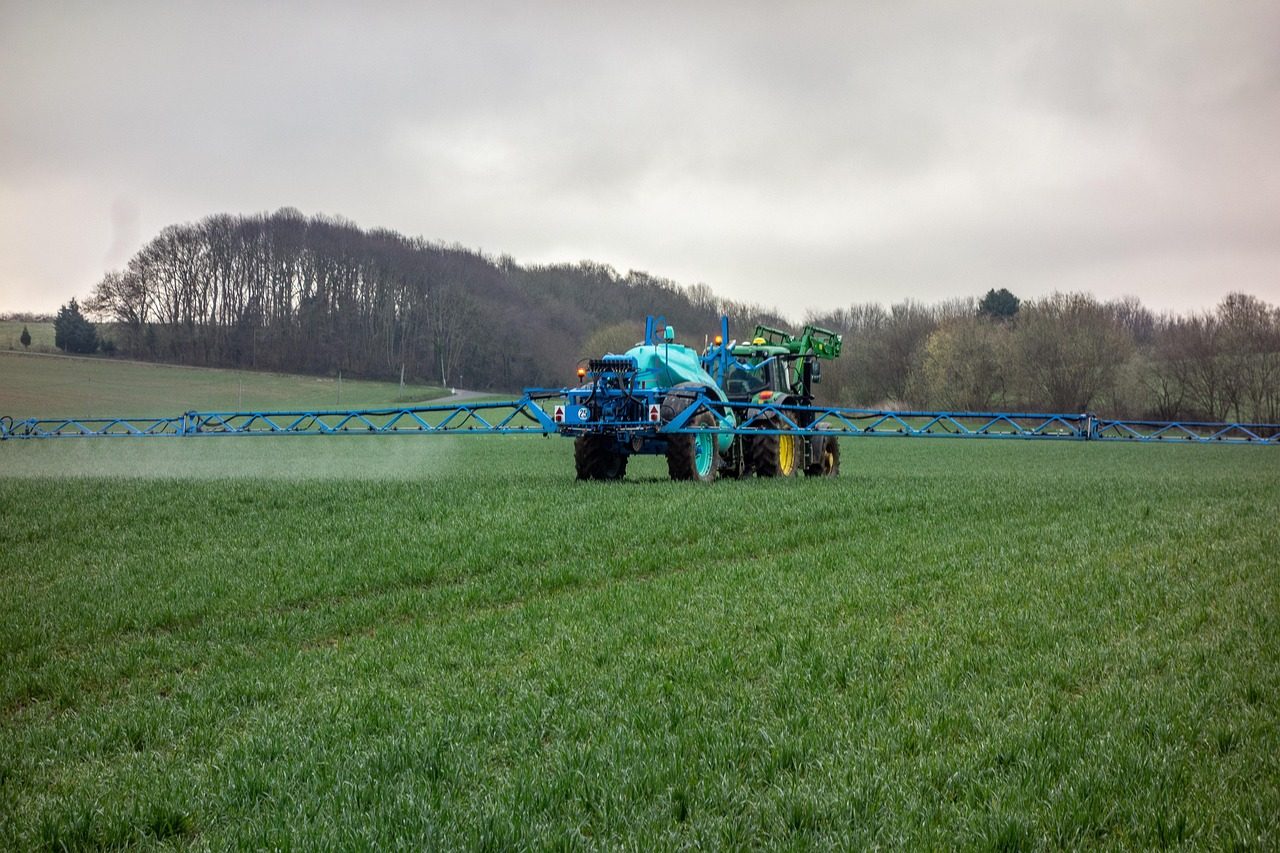
Fertilizers & Agrochemicals
Ammonia, urea, nitric acid, phosphates, SOP and NPK — technology, catalysts, equipment and raw-material supply for nitrogen and phosphate complexes.
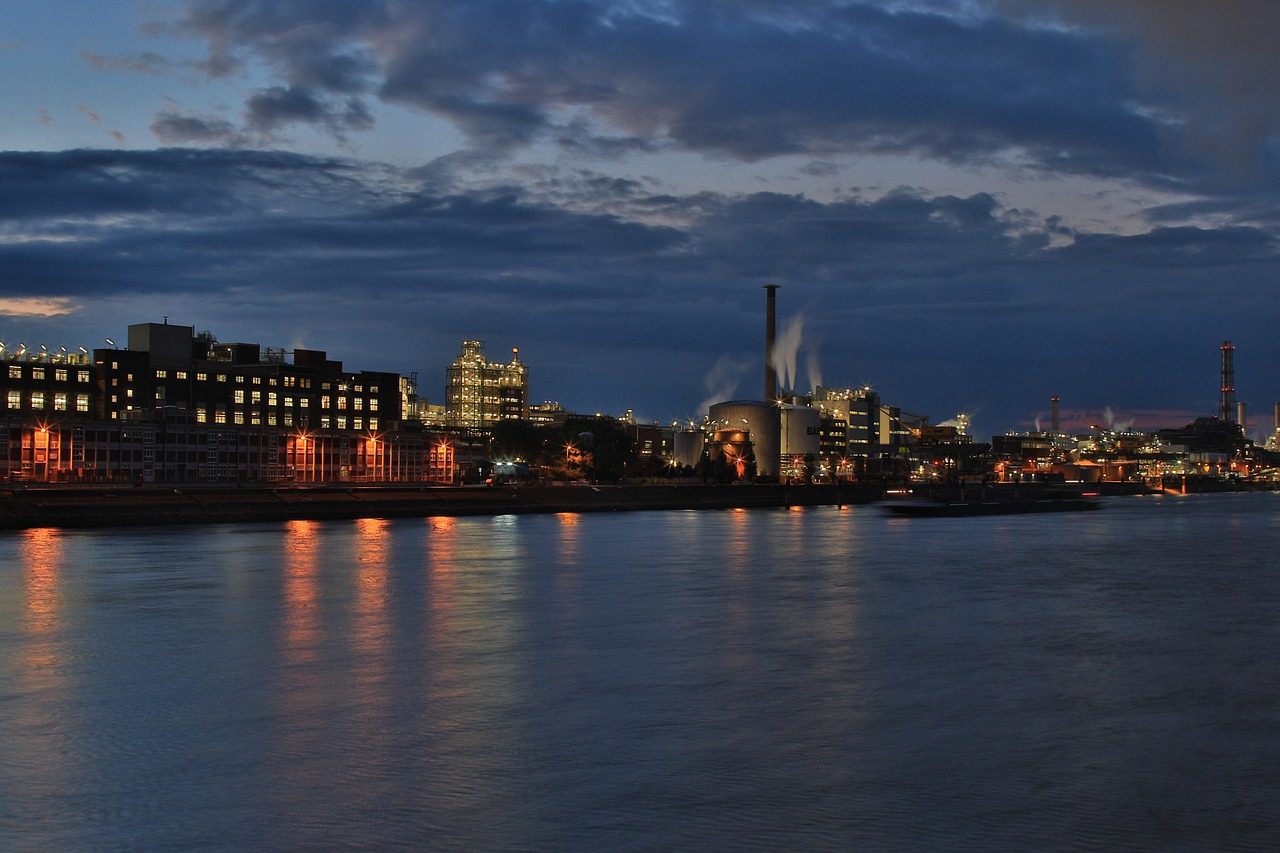
Chemicals & Specialty Chemicals
Chlor-alkali, soda ash, methanol, carbon black, specialty and fine chemicals — process routes, equipment in corrosive service and qualified materials.

Hydrogen & Clean Energy
Green and blue hydrogen, green ammonia, electrolyser and carbon-capture technology — independent evaluation for developers and industrial off-takers.
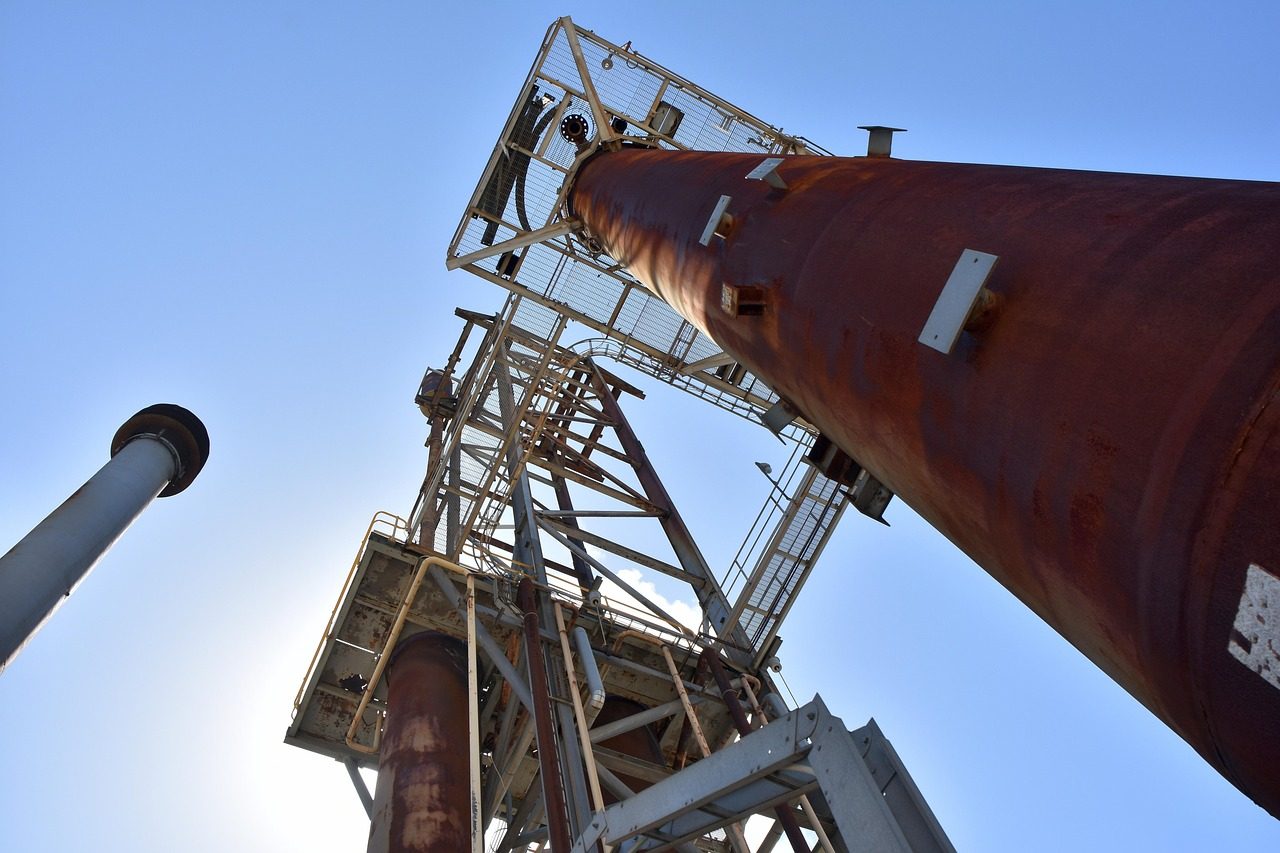
Petrochemicals & Refining
Hydroprocessing, gas processing, hydrogen, aromatics and downstream units — catalysts, equipment, revamps and turnaround support.
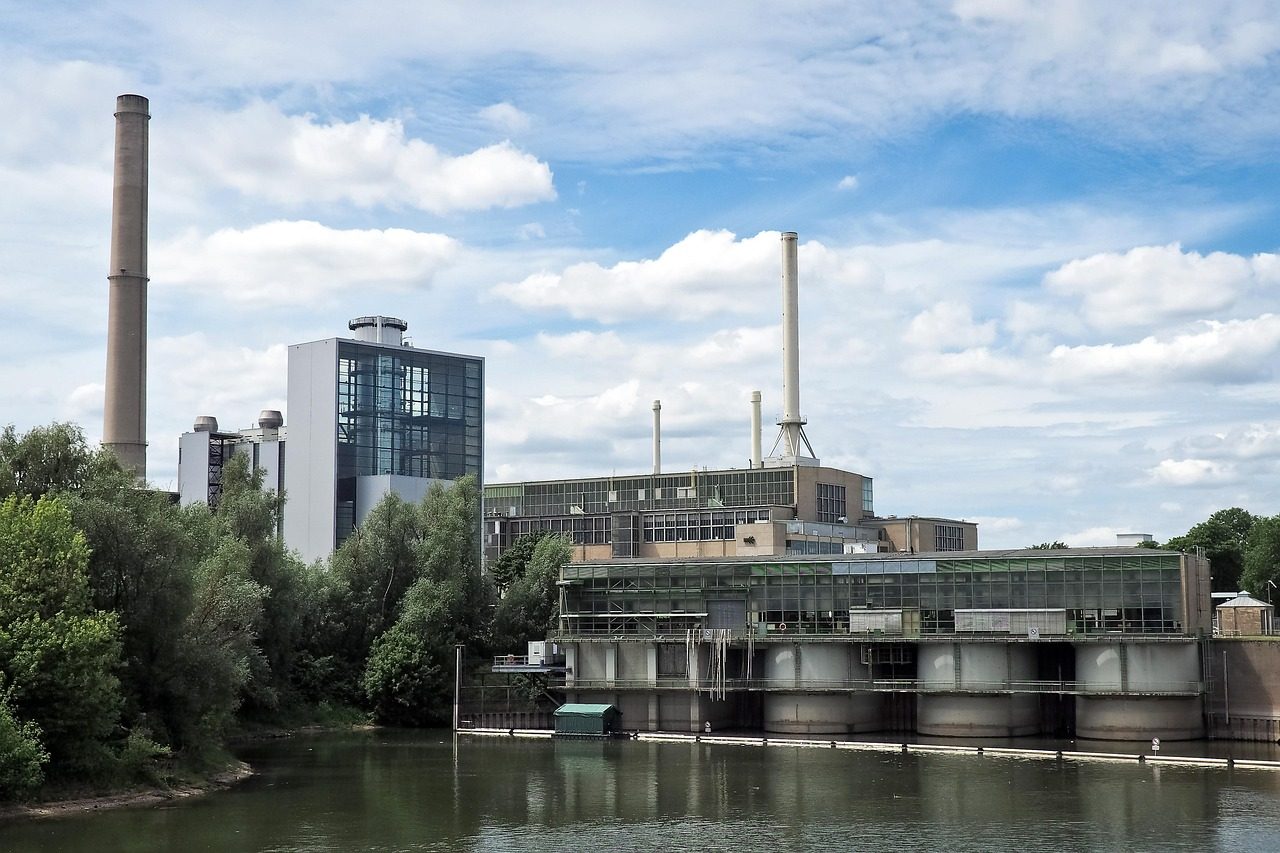
Environmental & Emission-Control Technologies
Emission control, N₂O and NOx abatement, VOC oxidation, carbon capture and waste-heat recovery — technology evaluation and equipment for compliance projects.
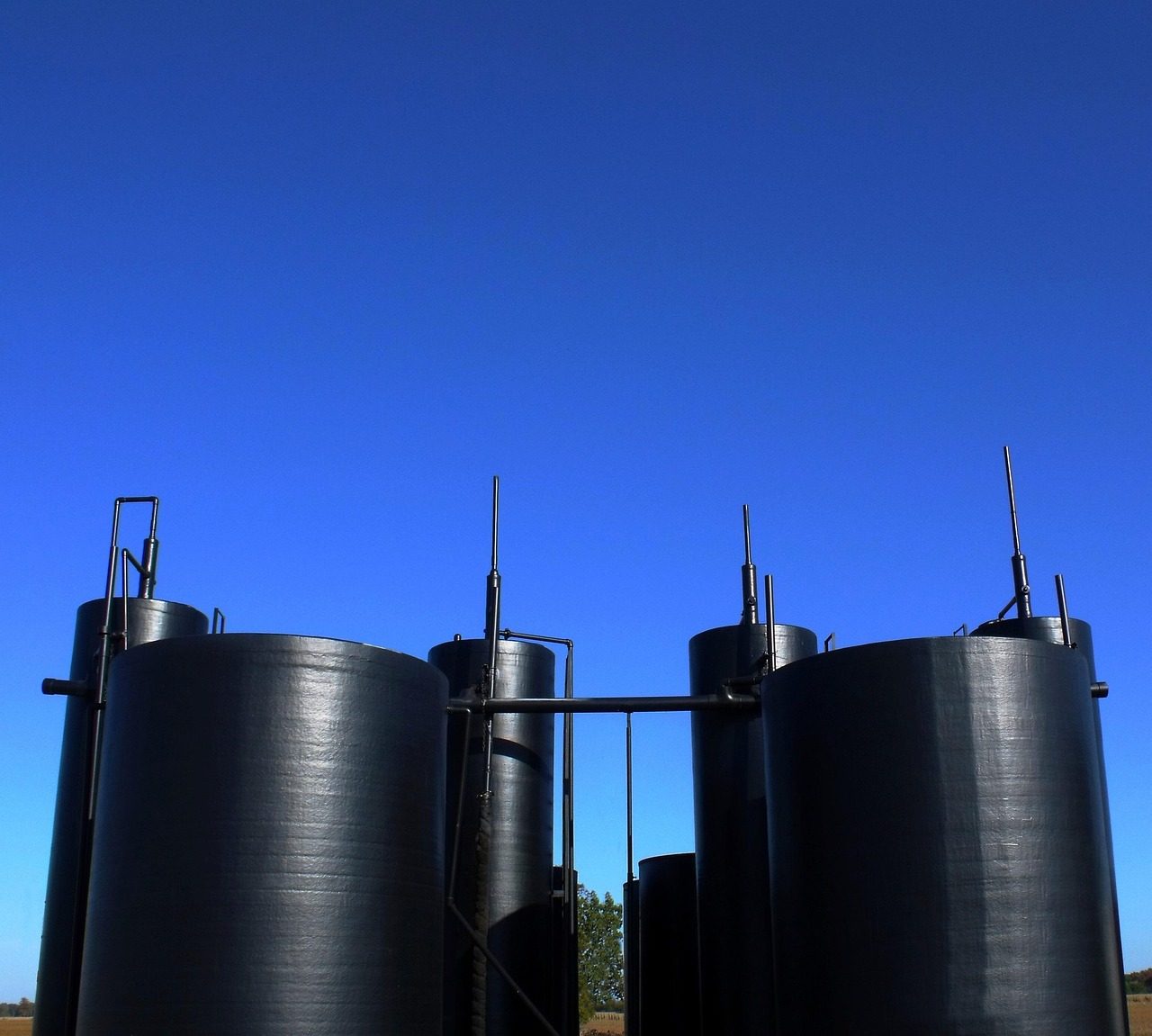
Industrial Gases
Hydrogen, nitrogen, oxygen and CO₂ generation, purification, compression and storage — technology, catalysts, adsorbents and equipment.
Frequently asked
Questions we hear about catalyst solutions
Do you supply your own catalyst brand?
Can you help if our plant has a licensor-recommended catalyst?
Do you handle spent catalyst and precious-metal recovery?
Keep exploring
Other pathways that often run alongside
Describe your catalyst solutions requirement
Tell us the technology, equipment, catalyst, material or project-development requirement you are working on. An engineer reviews every enquiry, in confidence, and replies with a clear next step within two working days.
Contact us