- Home
- Industries
- Fertilizers & Agrochemicals
Fertilizers & Agrochemicals
Technology identification, catalyst programmes, equipment sourcing and raw-material supply for nitrogen, phosphate and potash fertilizer complexes — the industry MINCAT was built around.
How we help
How MINCAT works with fertilizers clients
We help fertilizer and agrochemical producers select ammonia, urea, nitric-acid, phosphate, SOP and NPK technologies, qualify catalysts and equipment, and secure raw-material supply.
Fertilizer complexes combine some of the most energy-intensive and most tightly integrated process units in industry: reforming and ammonia synthesis, urea, nitric acid and ammonium nitrate, sulphuric and phosphoric acid, granulation. Their economics are decided by specific energy consumption, catalyst performance, on-stream time and the reliability of feedstock and raw-material supply.
MINCAT supports fertilizer producers and project developers across that whole chain — from technology and licensor comparison for a new ammonia-urea or NPK line, to catalyst programmes for reformers, shift converters and nitric-acid gauzes, to equipment replacement and phosphate rock, sulphur and potash supply programmes. Priority launch scope includes ammonia, nitric acid, SOP and their catalysts.
Typical requirements
Requirements we regularly receive from this industry
- Technology and licensor comparison for a new or expanded ammonia-urea, nitric acid or NPK line
- Catalyst charge replacement or a multi-year catalyst programme
- Nitric acid gauze programme with precious-metal recovery
- Replacement of a critical reformer, converter, exchanger or compressor
- Phosphate rock, sulphur or potash supply programme with quality control
- Energy-optimisation and N₂O/NOx abatement projects
Solution map
Technologies, equipment, catalysts and materials that typically matter
An orientation, not a catalogue. Specifications vary by technology, licensor and manufacturer; every item is scoped against your plant's data.
Process technologies
- Ammonia (natural gas, naphtha, coal and electrolytic routes)
- Urea and urea granulation
- Nitric acid (mono- and dual-pressure)
- Ammonium nitrate and CAN
- Sulphuric acid (sulphur burning, spent-acid regeneration)
- Phosphoric acid and DAP/MAP
- SSP / TSP
- SOP (Mannheim and alternative routes)
- NPK granulation and compaction
- N₂O abatement and DeNOx
Equipment
- Primary reformers and waste-heat boilers
- Ammonia synthesis converters
- Syngas and ammonia compressors
- Urea reactors, strippers and carbamate condensers
- Nitric acid burners, absorption towers and tail-gas units
- Granulators, dryers, coolers and screens
- Sulphuric acid converters and heat-recovery systems
- Phosphoric acid reactors, filters and evaporators
Catalysts & materials
- Reforming, shift, methanation and synthesis catalysts
- Platinum-rhodium gauzes and catchment
- Phosphate rock
- Sulphur
- Potash (MOP for SOP production)
- Limestone and dolomite fillers
- Anti-caking and coating agents
Technical considerations
What usually decides the outcome in fertilizers
Integration drives the energy balance
Steam, CO₂ and hydrogen balances across ammonia, urea and nitric acid units decide the real consumption figure — technology comparison must be done at complex level.
Catalyst life sets the turnaround calendar
Reformer, shift and synthesis catalyst performance determines shutdown timing; programmes are planned against the plant's cycle, not the calendar year.
Raw-material quality reaches the product
Phosphate rock grade, impurities and sulphur quality affect acid plant operation, product specification and emissions.
MINCAT's role and scope
What we do for fertilizers clients
Engineering, manufacture, construction and commissioning are delivered by qualified partners under their own contracts. MINCAT coordinates on your side within an agreed scope.
Coordination, evaluation and support
- Technology and licensor identification and structured comparison
- Catalyst and gauze programme evaluation and sourcing coordination
- Equipment specification review, manufacturer qualification and inspection coordination
- Raw-material supplier qualification, QC and logistics coordination
- Owner-side coordination of EPC, engineering and inspection partners
How engagements are structured
- Fertilizer projects are financed on consumption guarantees; comparable, normalised guarantee bases are essential.
- Catalyst, gauze and raw-material programmes are best structured multi-year with agreed quality bands.
- Fees are agreed in advance and are independent of which technology, supplier or contractor is selected.
Solutions
Pathways most relevant to fertilizers
Frequently asked
Questions we hear about fertilizers
Do you supply fertilizer technology or catalysts yourselves?
Can you support a single-unit revamp rather than a new complex?
Other industries
Related industries
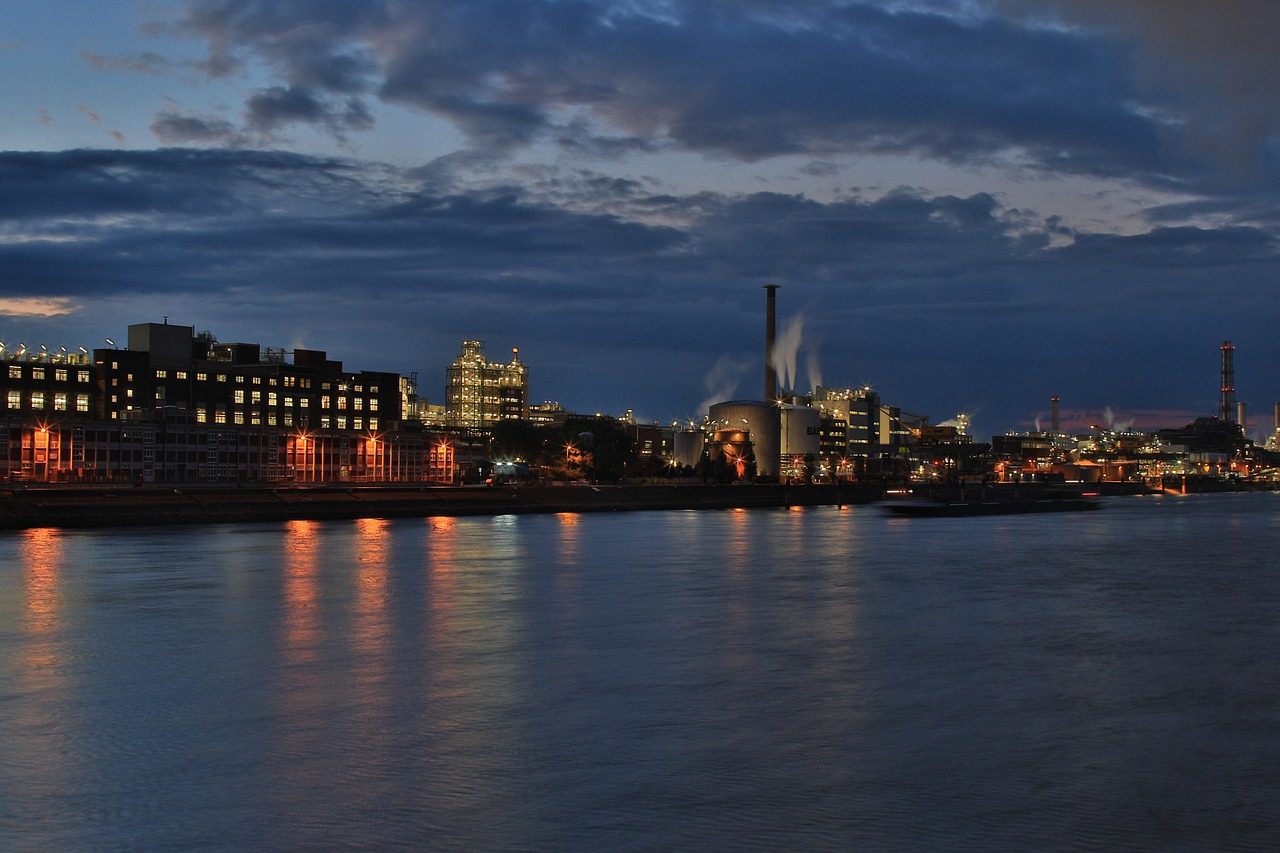
Chemicals & Specialty Chemicals
Chlor-alkali, soda ash, methanol, carbon black, specialty and fine chemicals — process routes, equipment in corrosive service and qualified materials.
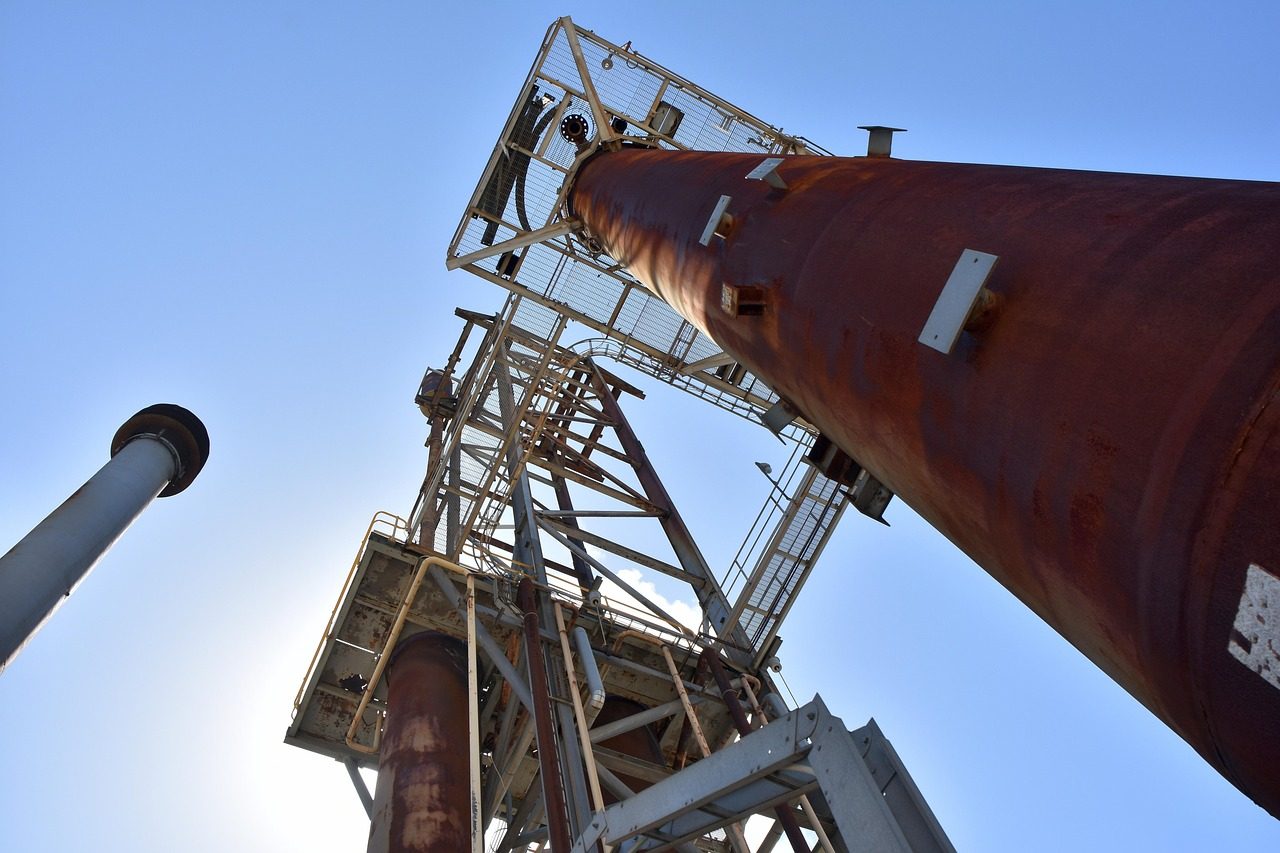
Petrochemicals & Refining
Hydroprocessing, gas processing, hydrogen, aromatics and downstream units — catalysts, equipment, revamps and turnaround support.
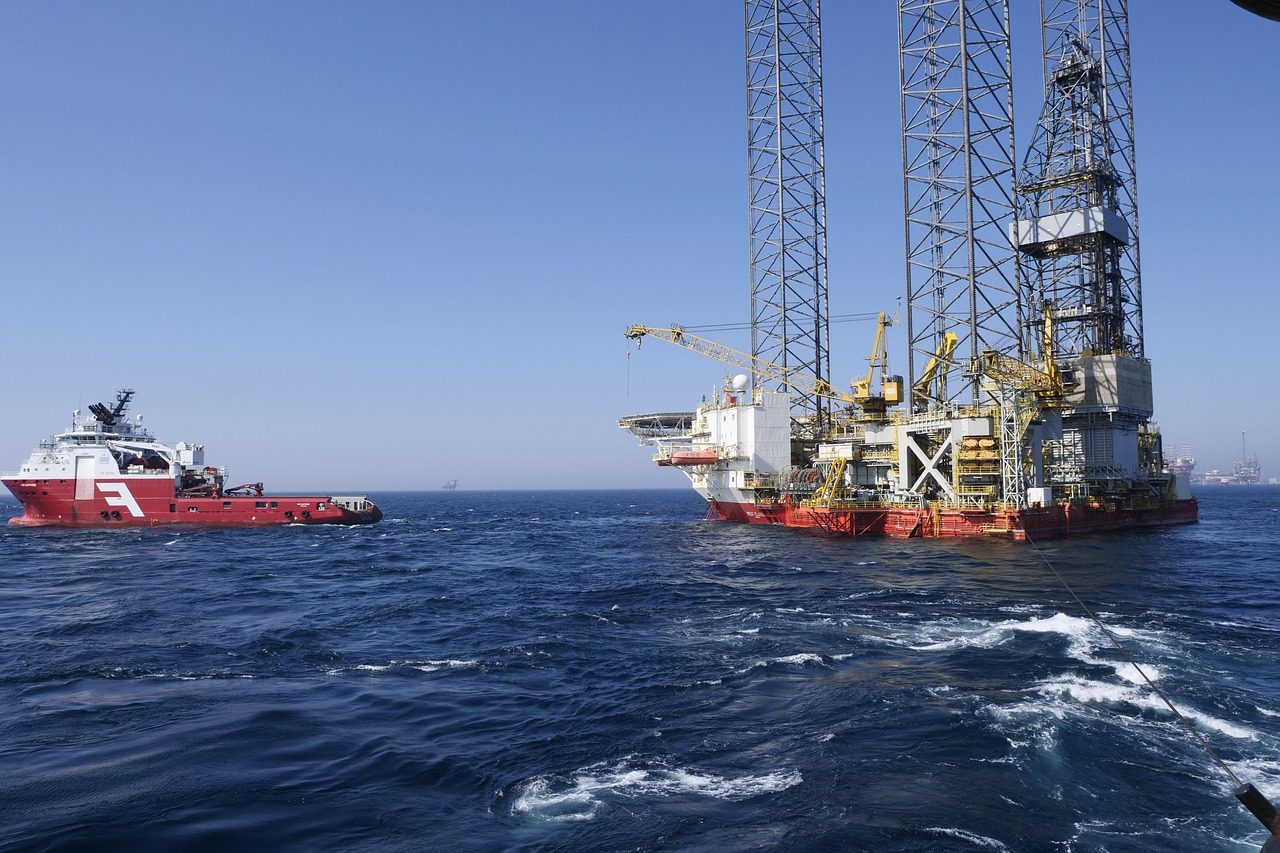
Oil & Gas
Gas processing, sweetening, sulphur recovery, compression and terminal equipment — sourced and coordinated for upstream, midstream and gas-processing operators.

Hydrogen & Clean Energy
Green and blue hydrogen, green ammonia, electrolyser and carbon-capture technology — independent evaluation for developers and industrial off-takers.
Have a fertilizers requirement?
Tell us the technology, equipment, catalyst, material or project-development requirement you are working on. An engineer reviews every enquiry, in confidence, and replies with a clear next step within two working days.
Contact us