
How we help
What this pathway covers
We help clients identify, qualify and coordinate the EPC, EPCM and engineering partners whose reference plants and capacity actually match the project — and keep their scopes fitting together.
Most owners do not need to build a permanent engineering department to deliver a project well. They need the right engineering partner for each package, a contractor whose reference plants match the job, and someone on their side who understands the discipline interfaces — process, mechanical, piping, instrumentation, electrical, civil — well enough to ask the right questions at the right time.
MINCAT provides that owner-side capability. We identify and qualify EPC/EPCM contractors and engineering firms, coordinate process, mechanical, piping, instrumentation and electrical packages, and support project management for revamps, modernisation, shutdown works and aftermarket requirements. All engineering and construction is performed by the contracted partners; MINCAT does not perform engineering, construction or commissioning in-house.
Portfolio
Support scope
Scope is defined per engagement. Where a technology or product is proprietary, it is licensed or supplied by its owner; MINCAT identifies, evaluates and coordinates.
- Owner-side coordination
- EPC / EPCM identification and qualification
- Engineering partner sourcing
- Process packages
- Mechanical packages
- Piping
- Instrumentation and automation
- Electrical systems
- Civil and structural partners
- Project-management support
- Revamp and modernisation
- Shutdown and turnaround support
- Spare parts and aftermarket
Typical requirements
Situations in which clients engage us
If your requirement is not on this list, describe it anyway. The list is illustrative, not a menu.
- Selecting an EPCM firm for a plant revamp without a large owner's team
- Sourcing a process or mechanical package engineering partner for a specific unit
- Coordinating instrumentation, DCS and electrical packages across multiple vendors
- Planning and supporting a shutdown or turnaround with external specialists
- Recovering a stalled engineering scope from a previous contractor
- Establishing spare-parts and aftermarket supply after project handover
Technical considerations
What usually decides the outcome
Package boundaries must be explicit
Who supplies the skid, who does the tie-in engineering and who owns the hydraulic check are questions answered in the scope split, not on site.
Brownfield needs as-built reality
Revamp engineering depends on surveys and existing documentation; MINCAT coordinates verification before partners are asked to design against old drawings.
Standards and codes drive vendor lists
ASME, PED, IS, IEC and site standards determine which manufacturers and engineering firms can qualify at all.
Shutdown windows are unforgiving
Turnaround scope, materials and contractor mobilisation are locked months ahead; late changes cost days of production.
Scope and responsibility
What MINCAT does — and what qualified partners deliver
MINCAT is asset-light. The distinction between our coordination role and partner-delivered scope is stated in every proposal and contract.
Coordination, evaluation and support
- Contractor and engineering partner identification and qualification
- Package scope definition and interface coordination
- Bid clarification, technical-commercial comparison and recommendation
- Owner-side project-management support and progress tracking
- Aftermarket, spares and revamp partner coordination
Contracted directly with the qualified partner
- FEED, detailed engineering and discipline packages — engineering firms
- Construction, installation and commissioning — EPC/EPCM contractors
- Site surveys, NDT and inspection — accredited service providers
Commercial and procurement considerations
How engagements are structured
- Support is scoped per project phase or package, with clear hand-off points to the contracted partner.
- Multi-vendor packages benefit from a single owner-side coordinator: fewer change orders, cleaner interface claims.
- Shutdown support is typically planned three to six months ahead of the window.
Industries
Where this pathway is most often applied

Chemicals & Specialty Chemicals
Chlor-alkali, soda ash, methanol, carbon black, specialty and fine chemicals — process routes, equipment in corrosive service and qualified materials.

Petrochemicals & Refining
Hydroprocessing, gas processing, hydrogen, aromatics and downstream units — catalysts, equipment, revamps and turnaround support.

Fertilizers & Agrochemicals
Ammonia, urea, nitric acid, phosphates, SOP and NPK — technology, catalysts, equipment and raw-material supply for nitrogen and phosphate complexes.

Steel & Metallurgy
Refractory materials, industrial minerals, furnace and process equipment, gas cleaning and energy recovery for steelworks and metallurgical plants.

Cement & Minerals Processing
Kiln, grinding, material-handling and emission-control equipment, alternative-fuel projects and refractory and mineral supply for cement and minerals processors.

Power & Utilities
Boilers, turbines, heat-recovery, water treatment and emission-control equipment and catalysts for thermal, captive and industrial power plants.
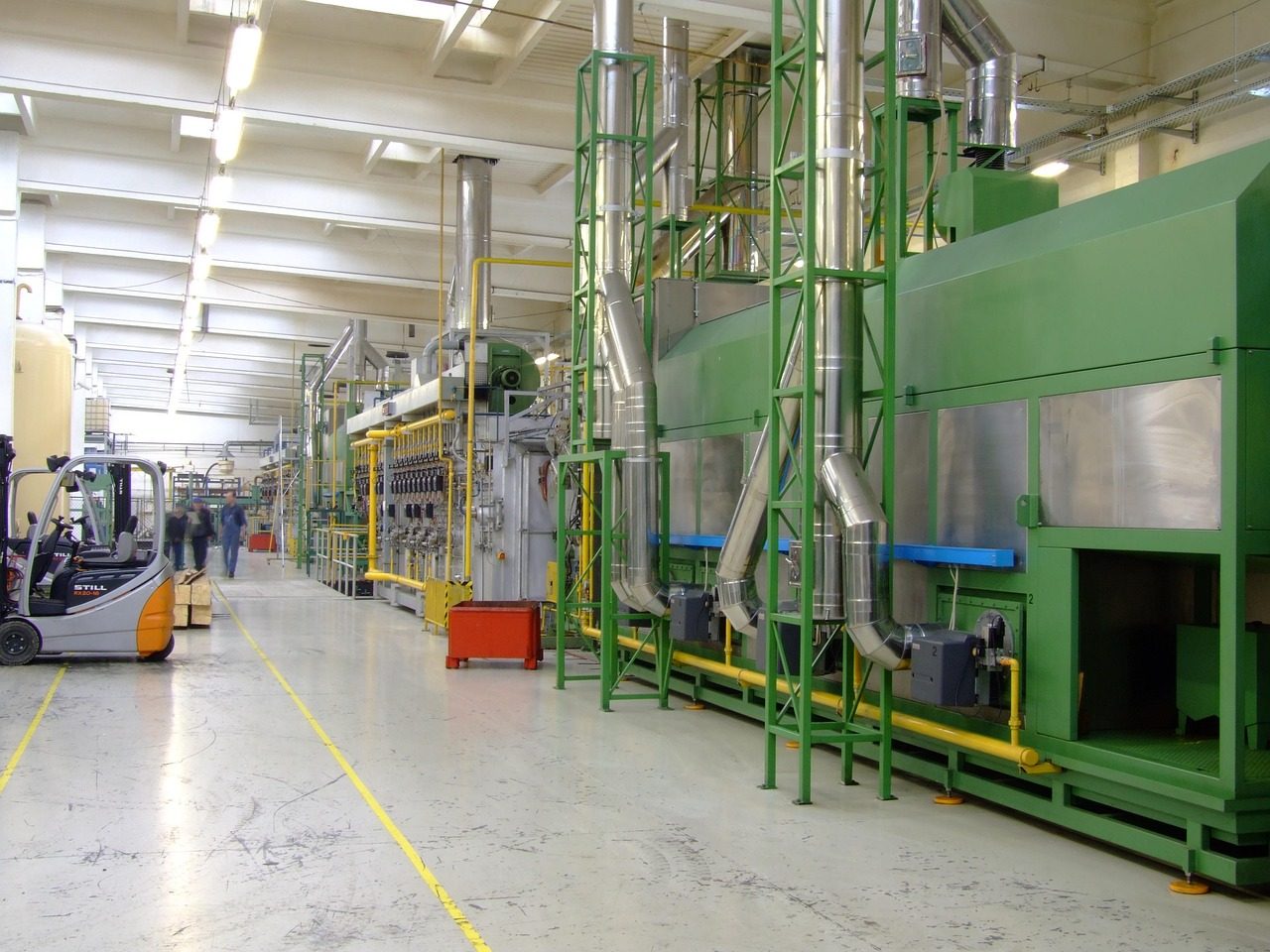
Industrial Manufacturing
Production equipment, utilities, automation packages and strategic procurement support for discrete and batch manufacturers expanding or modernising.
Frequently asked
Questions we hear about engineering & EPC/EPCM support
Does MINCAT perform engineering in-house?
Can you help with a plant that is already running?
How do you qualify a contractor?
Keep exploring
Other pathways that often run alongside
Describe your engineering & EPC/EPCM support requirement
Tell us the technology, equipment, catalyst, material or project-development requirement you are working on. An engineer reviews every enquiry, in confidence, and replies with a clear next step within two working days.
Contact us